- Shop Pages

Advanced Variable products with swatches
Products variations colors and images without any additional plugins.
- Product Loop
- Single Product
- Features
Thread Count vs. Fiber Quality: What Really Makes a Premium Bed Sheet?

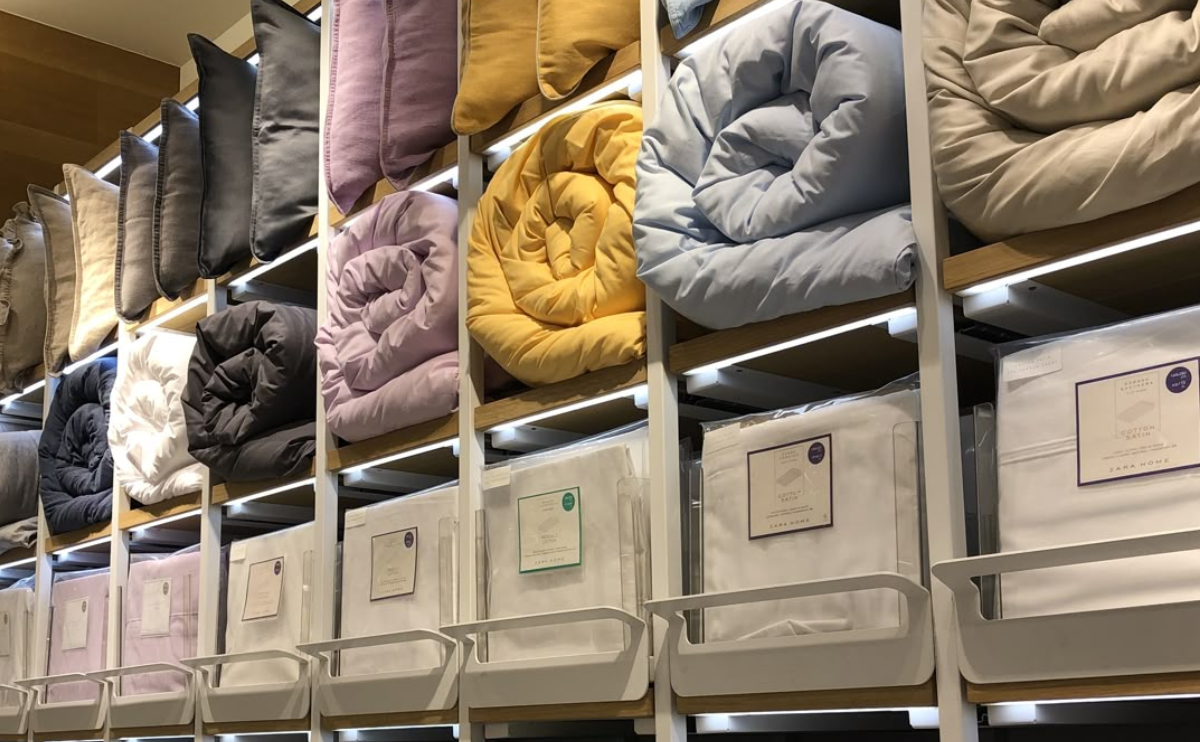
When sourcing bed sheets for retail collections or institutional supply, "thread count" is often treated as the ultimate measure of quality. However, high thread counts can sometimes be misleading if lower-quality, multi-ply yarns are used.
Here is what truly determines a bed sheet's performance, feel, and longevity:
1. Fiber Length Comes First
The length of the cotton staple directly impacts yarn strength and softness:
-
Long-Staple Cotton: Produces smooth, uniform yarns with minimal loose ends. This results in fabric that resists pilling and grows softer with every wash.
-
Short-Staple Cotton: Requires twisting multiple thin threads together (multi-ply) to create a single strand, which inflates the thread count artificially while producing a stiffer fabric.
2. The Ideal Thread Count Range
-
200 to 400 TC: The optimal sweet spot for breathability, softness, and durability.
-
400+ TC: Often uses fine multi-ply yarns that make the fabric denser and heavier, which can reduce air permeability.
3. Choosing the Right Weave
|
Weave Type |
Look & Feel |
Best Suited For |
|---|---|---|
|
Percale |
Crisp, matte finish, lightweight, cool to the touch |
Warm climates, hotels, everyday luxury |
|
Sateen |
Silky-smooth luster, elegant drape, slightly warmer feel |
Premium retail collections, colder seasons |
4. Shrinkage Control and Finishing
Proper Mercerization and Sanforization processes during manufacturing ensure that bed sheets retain their dimensions, sheen, and softness even after repeated commercial washing.
Would you like me to adapt any of these articles with specific product specifications (such as exact GSM ranges, yarn types, or fabric blends) offered by Ibrahim Thrive?