- Shop Pages
Advanced Variable products with swatches
Products variations colors and images without any additional plugins.
- Product Loop
- Single Product
- Features
Sustainable Sourcing Trends Shaping the Global Textile Market
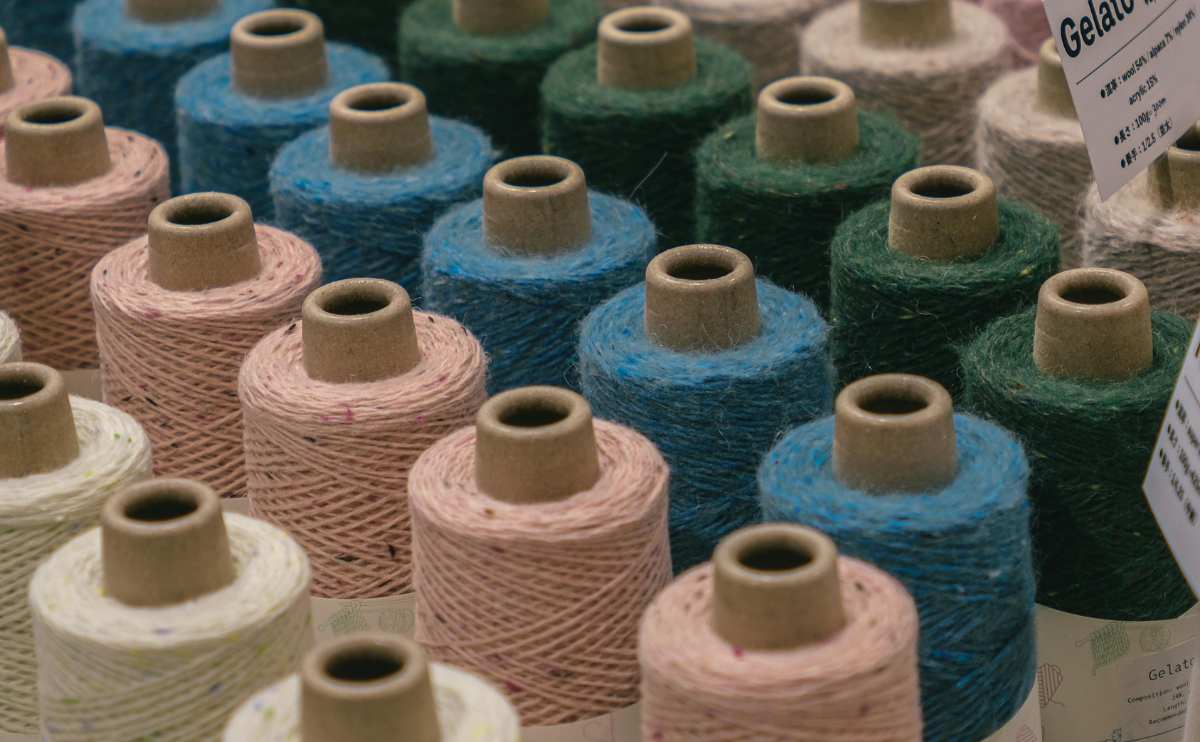
Global buyers, retail chains, and institutional importers are no longer evaluating suppliers based on cost and lead times alone. Sustainable production processes and ethical compliance are now fundamental criteria for global textile partnerships.
The Rise of Responsible Cotton
Sustainable sourcing starts at the fiber level. Importers increasingly seek certifications and traceability:
Better Cotton Initiative (BCI): Promotes sustainable farming practices that reduce chemical use and protect soil health.
Organic & Recycled Fibers: Combining organic combed cotton with pre-consumer recycled cotton loops helps lower the environmental footprint without compromising fabric hand-feel.
Eco-Friendly Dyeing and Water Management
Textile wet processing is water-intensive. Leading export manufacturers are adopting closed-loop water treatment systems and low-impact reactive dyes. These technologies reduce chemical runoff, conserve water, and ensure colors stay vibrant through repeated laundering.
Transparency & Ethical Labor
Modern supply chain management relies on full operational transparency. International buyers prioritize manufacturing partners who uphold fair labor practices, safe factory conditions, and strict quality assurance protocols.
As global regulations tighten, partnering with a manufacturer committed to sustainable practices ensures your brand stays compliant, competitive, and trusted by eco-conscious consumers.